
The journey of studying medicine is one filled with commitment, curiosity, and the desire to make a transformative difference in human lives. As the landscape of medicine evolves, so too do the numerous specialties that allow future doctors to hone their skills and dedicate themselves to specific branches of healthcare. From the intricate world of surgery to the comprehensive care provided by internists, medical students today are presented with an array of specialization options, each offering unique challenges and rewards.
With each medical specialty comes a distinct pathway that may not have been previously considered by aspirants. For example, tackling sector-specific issues such as uterine fibroids provides a continually evolving set of objectives for improvement. The allure and complexity of medical fields demand a thoughtful approach when choosing a career path, which is pivotal for aspiring professionals seeking personal and professional fulfillment. This guide delves deep into various medical specializations, aiding you in aligning your academic pursuits with your innate interests and capabilities.
Navigating through the potential specializations in medicine can be an intricate task, given the multitude of considerations involved. Aligning your personal interests, career goals, and the demands of various medical fields is vital for success and satisfaction. Hence, understanding the diverse facets of specialties such as dermatology, gynecology, and pulmonology can significantly influence one’s choice, steering them towards a fulfilling and impactful medical career.
Surgery and Surgical Technology
Surgery stands as one of the most demanding yet rewarding medical specializations, revered for the precision and expertise required to treat complex conditions. Surgeons perform an array of operations on patients to address diseases, injuries, and deformities. This field encompasses a myriad of sub-specialties, such as cardiothoracic surgery, orthopedic surgery, and neurosurgery, each presenting its own set of challenges and necessitating a unique skill set.
For those interested in pursuing surgery, surgical tech programs are instrumental in bridging the gap between theoretical knowledge and practical proficiency. These programs often cover comprehensive training on the mechanical and procedural aspects of operating rooms. They equip medical professionals with the necessary skills to assist effectively during surgeries, ensuring all protocols are meticulously adhered to.
A notable aspect of surgery is the in-depth understanding of human anatomy and procedures like cystotomy, which involves opening the urinary bladder. Competence in medical inventory management is also essential to maximize resource utilization and minimize risks during surgical interventions. This ensures that surgery not only focuses on the immediate treatment but also on sustainable healthcare practices.
Beyond these technical aspects, surgeons frequently engage in innovations that improve surgical outcomes and patient safety. They continuously adapt to new surgical technologies and procedures to stay at the forefront of medical advancements. This commitment to ongoing learning and adaptation is a cornerstone of a successful surgical career, where precision and skill are paramount.
Internal Medicine

Internal medicine emphasizes the diagnosis and management of adult diseases, providing comprehensive care often characterized by complexity. As primary care providers, internists are tasked with intricate treatment strategies for chronic and acute illnesses. It requires an extensive understanding of body systems and the ability to devise optimal care plans for various conditions.
In the realm of internal medicine, addressing hormonal imbalances such as low testosterone is a niche that requires tailored patient management. Internists must employ a nuanced understanding and stay abreast of the latest medical advances to effectively improve patient health and quality of life. The specialty often stereotypes itself with a requirement for continuous knowledge enhancement and adaptive practice models.
Internists frequently collaborate with other specialists, such as surgeons and chiropractors, to provide holistic patient care. This collaboration is crucial, especially when the management of diseases such as uterine fibroids necessitates a multi-modal approach. The interconnectedness of medical specializations elevates patient outcomes through comprehensive care strategies.
Advancements in medical technology and data analytics have empowered internists to provide more precise and personalized care. By integrating these technological tools into their practice, internists can deliver better diagnostic and treatment services, tailored to individual patient profiles. This commitment to leveraging technology in patient care symbolizes the ongoing evolution in internal medicine.
Dermatology
Dermatology, a specialization focused on the health and aesthetics of the skin, hair, and nails, is essential for diagnosing and managing over 3,000 skin conditions. Dermatologists play a pivotal role in addressing both dermatological health issues and cosmetic concerns, balancing the functional and aesthetic aspects of skincare. This dual focus has increased the specialty’s popularity among medical professionals.
A particular area of interest within dermatology is research on hair follicles, which leads to breakthroughs in treating scalp and hair conditions. Such insights are critical for effective interventions, ranging from medical treatments to cosmetic procedures. Dermatologists often work closely with other medical practitioners to ensure underlying health conditions manifesting on the skin are adequately addressed.
The progression of cosmetic dermatology has spurred an entire spectrum of services, including breast augmentations and skin rejuvenation treatments. These procedures necessitate a fusion of medical prowess and aesthetic sensibilities to guarantee patient safety and satisfaction. The specialization proves dynamic as it adapts to new treatments and technologies, reflecting its innovative spirit coupled with healthcare protocols.
Modern dermatology also embraces the use of digital platforms and technology to enhance patient care and education. Teledermatology, for example, enables patients to seek expert advice without the usual barriers of time and location. This technological advancement reflects the dermatology field’s adaptability and commitment to providing accessible healthcare solutions.
Pulmonology
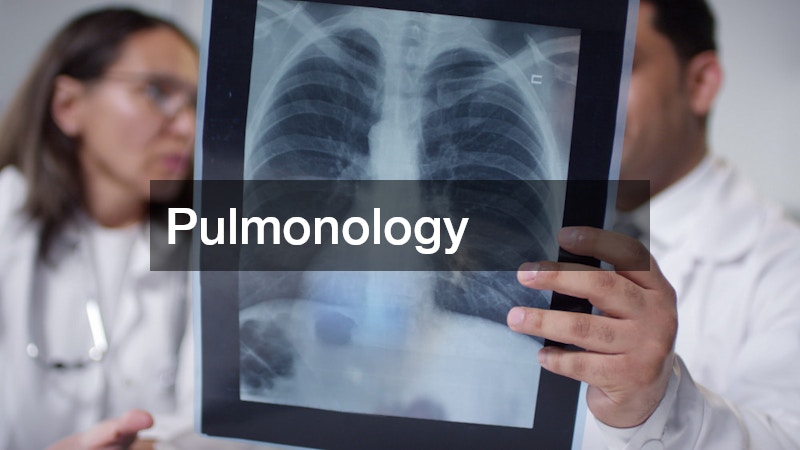
Pulmonology is dedicated to the treatment and study of diseases affecting the respiratory system, representing a vital facet of healthcare dedicated to life-sustaining functions. Pulmonologists diagnose and manage conditions such as asthma, chronic obstructive pulmonary disease (COPD), and lung cancer, and their expertise is crucial for patients with respiratory ailments.
The management of chronic respiratory diseases often incorporates programs at a pulmonary rehab center, where patients receive tailored rehabilitation plans to enhance lung function. Collaborations between pulmonologists, respiratory therapists, and other healthcare professionals are common within these treatment settings, emphasizing the necessity of a multidisciplinary approach to care.
A preventive strategy is central to pulmonology, placing emphasis on understanding environmental and lifestyle factors that exacerbate respiratory conditions. Through education and intervention, pulmonary specialists formulate strategies to mitigate risks and promote long-term health benefits for patients. This proactive component of pulmonology highlights its value in contemporary health landscapes.
Pulmonologists are increasingly at the forefront of addressing global health issues such as pollution and its impact on respiratory health. Their role in advocating for environmental policies to safeguard public health is becoming more pronounced. This advocacy underlines the broader impact pulmonologists have on global health beyond their clinical practice.
Physical Medicine and Rehabilitation
Physical medicine and rehabilitation, termed physiatry, focuses on improving and restoring function for individuals with physical impairments. Physiatrists manage a broad spectrum of conditions affecting the brain, muscles, and nerves, employing comprehensive rehabilitation strategies. This specialty calls for ingenuity in developing effective rehabilitation plans that maximize patient recovery.
Spine physiatry jobs particularly address the complexities of spinal cord injuries and chronic back pain, providing non-surgical management plans. With a specialized skill set and collaboration with physical therapists and pain management specialists, physiatrists ensure holistic patient care. This interdisciplinary approach underpins the practice, driving forward advancements in physical rehabilitation.
Physiatry intersects with diverse medical areas, notably chiropractors and other therapy-focused practitioners. This coordination can significantly amplify treatment efficacy, facilitating innovative care solutions and enhanced patient outcomes. Additionally, physiatrists contribute to research in the field, continuously seeking to improve and develop cutting-edge rehabilitation techniques.
Advancements in technology, such as robotics and virtual reality, are reshaping rehabilitation practices. Physiatrists are leveraging these tools to provide patients with innovative treatment options that enhance traditional therapy methods. This embrace of technology symbolizes the continual evolution and relevance of physiatry in modern healthcare.
Gynecology

Gynecology specializes in women’s reproductive health, managing a spectrum of conditions from menstruation to menopause. Gynecologists provide critical services such as prenatal care, fertility treatments, and cancer screenings, playing a crucial role in women’s healthcare. Their work addresses wide-ranging health issues, significantly impacting women’s overall well-being.
One commonly addressed condition is uterine fibroids, benign uterine growths that occur during childbearing years. Gynecologists devise customized treatment plans involving medication, hormone therapy, or surgical options, empowering women to make informed decisions regarding their reproductive health. These tailored interventions ensure patient-specific care, factoring in individual needs and preferences.
Gynecological practice often entails surgical procedures, including hysterectomies and cystotomies, expanding the scope of care provided. Collaboration with other medical specialties, such as internal medicine, ensures comprehensive women’s health services. This multidisciplinary partnership is pivotal for managing complex medical backgrounds efficiently and effectively.
Reproductive technologies have advanced significantly, allowing gynecologists to offer cutting-edge fertility treatments. Innovations such as in vitro fertilization (IVF) and genetic testing provide hope for many seeking to start or expand their families. These advancements showcase the dynamic nature of gynecology, continually adapting to meet patient needs.
Pharmacology and Therapeutics
Pharmacology and therapeutics extend beyond the conventional understanding of prescribing medications to encompass a deep-seated knowledge of drug actions, interactions, and patient-specific therapeutic strategies. Pharmacologists and therapeutics specialists work collaboratively with other healthcare providers to ensure safe and effective medication management. This multifaceted specialty underscores the importance of personalized medicine in achieving optimal health outcomes.
The role of a pharmacologist is increasingly vital in the face of complex health scenarios, such as managing drug-resistant infections and optimizing cancer treatments. They participate in extensive pharmaceutical research, contributing to the development and approval of new medications that address emerging health challenges. Moreover, they frequently adapt treatment protocols to incorporate novel drugs and patient-centered care innovations, enhancing the scope of therapy options available.
Therapeutics experts also play a crucial role in public health initiatives, often guiding health policy through evidence-based recommendations on drug use and health interventions. Their work helps shape guidelines and training programs for healthcare providers, ensuring an informed approach to treatment across various health conditions. The seamless integration of pharmacology into broader clinical practice exemplifies its indispensable place in modern medicine, fostering improved patient care and outcomes.
Public Health and Preventive Medicine

Public health and preventive medicine are pivotal in advancing community well-being and mitigating the spread of diseases through proactive measures. Public health specialists examine population-level health trends to develop intervention strategies that address widespread health determinants. This specialty’s comprehensive approach to health improvement integrates epidemiology, biostatistics, environmental health, and behavioral sciences.
An emphasis on preventive medicine allows for the development and implementation of health policies that prioritize disease prevention, screening, and vaccination programs. By focusing on preventing illness before it occurs, public health professionals can reduce the incidence and severity of diseases, leading to improved public health outcomes and reduced healthcare costs. In this regard, they play an essential role in shaping initiatives that address global health concerns, such as pandemics and chronic diseases.
Collaborative efforts in public health and preventive medicine often involve partnerships with government bodies, non-profit organizations, and community groups. These collaborations facilitate shared resources, knowledge, and strategies to enhance healthcare accessibility and equity. By bridging gaps in healthcare access and promoting healthy lifestyles, public health and preventive medicine underscore their critical role in fostering resilient communities capable of thriving in diverse environments.
Determining the most suitable medical specialization is a crucial decision that profoundly influences your trajectory as a healthcare professional. Each specialty discussed here offers a unique journey, all underscored by a unified mission of enhancing patient care and contributing to overall health outcomes. As you explore where your aspirational goals and competencies align, it becomes essential to engage in thorough research, self-reflection, and seek guidance from experienced mentors in the field.
Navigating through the multitude of rewards and complexities inherent in each specialty requires adaptability as the medical field continues to advance. From the precision of surgical intervention to the comprehensive nature of internal medicine, or the rehabilitative focus in physiatry, your specialization can chart a fulfilling career replete with impactful work. Diving into any of these paths solidifies your role in elevating the health and lives of the communities you serve, making your vocation profoundly rewarding.
This decision is indeed a pivotal milestone in your medical journey. By aligning your strengths and passions with the demands and opportunities presented by various specialties, you can achieve great professional satisfaction. While the path to becoming a specialized medical professional is demanding, the chance to make a significant impact is unparalleled, marking a lifetime commitment to advancing human health.