Artificial intelligence is reshaping industries at a pace few technologies have ever matched. Behind every advanced language model, recommendation engine, autonomous system, and predictive analytics platform lies an immense amount of computing power housed in specialized facilities. As organizations race to deploy larger and more capable AI systems, the demand for highly efficient and scalable data centers continues to grow.
Modern AI data centers differ significantly from traditional enterprise facilities. They require greater power density, advanced cooling systems, sophisticated networking infrastructure, and extensive planning to support computational workloads that operate around the clock. Building these facilities is no longer just a technology challenge; it is a multidisciplinary effort involving engineering, construction, environmental planning, and operational excellence.
The path from an empty plot of land to a fully operational AI data center requires careful coordination among stakeholders, contractors, architects, and technology leaders. Understanding the essential components of planning, construction, and long-term scaling can help organizations develop facilities that meet current demands while remaining adaptable for future growth.
Strategic Site Selection and Early Planning

Every successful AI data center begins with selecting the right location. Site selection affects construction costs, utility availability, environmental risks, and future expansion opportunities. Organizations must evaluate numerous factors before committing to a particular property, including access to reliable power sources, fiber connectivity, transportation infrastructure, and workforce availability.
Many teams rely on detailed topographic surveys during the earliest stages of planning. These surveys provide accurate information about terrain, elevation changes, drainage patterns, and existing site conditions. The information gathered helps engineers design facilities that minimize construction risks while maximizing long-term operational efficiency.
Organizations also evaluate local regulations, tax incentives, and economic development opportunities. Since AI data centers often represent major investments, municipalities frequently collaborate with developers to attract projects that create jobs and stimulate regional growth. Careful planning at this stage can prevent costly delays later in the development process.
Designing for High-Density Computing
AI workloads demand significantly more computing power than traditional business applications. Training large machine learning models can require thousands of GPUs operating simultaneously, generating substantial heat and consuming enormous amounts of electricity. Facility designs must therefore accommodate much higher power densities than conventional data centers.
Architects and engineers work closely together to create layouts that support future scalability. Strategic equipment placement, optimized airflow patterns, and efficient cable management all contribute to long-term operational performance. The design phase also considers redundancy requirements to ensure continuous operation during maintenance events or unexpected disruptions.
Planning for expansion is particularly important in today’s rapidly evolving AI landscape. Organizations often experience dramatic increases in computing requirements within just a few years. Building flexibility into the initial design allows facilities to grow without requiring major structural modifications or operational interruptions.
Building a Strong Physical Foundation
The physical integrity of an AI data center directly impacts its reliability and lifespan. Before construction begins, developers must evaluate soil conditions, environmental factors, and structural requirements. Specialized foundation services play a critical role in ensuring that buildings can support heavy equipment loads while maintaining long-term stability.
Engineers design foundations capable of supporting not only the structure itself but also the significant weight of servers, cooling equipment, backup generators, and power distribution systems. Even minor foundation issues can create long-term maintenance challenges and operational risks. As a result, rigorous testing and quality assurance procedures are essential throughout construction.
Large-scale facilities often involve multiple phases of site preparation before vertical construction begins. Excavation, grading, and infrastructure installation must be completed according to strict specifications. These efforts establish the groundwork necessary for reliable operations over decades of service.
Navigating Regulatory and Compliance Requirements
Data center development involves extensive interaction with regulatory agencies and local authorities. Developers must secure building permits and demonstrate compliance with zoning regulations, environmental standards, safety requirements, and utility regulations. Failure to address these requirements early can lead to significant project delays.
Permitting processes often vary substantially between jurisdictions. Some municipalities have streamlined approval procedures designed to attract technology investments, while others require more extensive reviews and documentation. Project teams must maintain clear communication with regulators throughout the planning and construction phases.
Compliance obligations continue long after construction is complete. Data center operators must adhere to safety standards, environmental regulations, and operational requirements that govern ongoing facility management. Establishing strong compliance frameworks early helps organizations avoid costly complications in the future.
Power Infrastructure for AI Workloads
Reliable power delivery represents one of the most critical elements of any AI data center. High-performance computing clusters consume massive amounts of electricity, making power infrastructure a primary design consideration. Facilities must maintain continuous availability even during utility disruptions or equipment failures.
Engineers typically incorporate multiple layers of redundancy into electrical systems. Backup generators, uninterruptible power supplies, and redundant distribution pathways help ensure uninterrupted operations. These systems are carefully tested and monitored to maintain performance under demanding conditions.
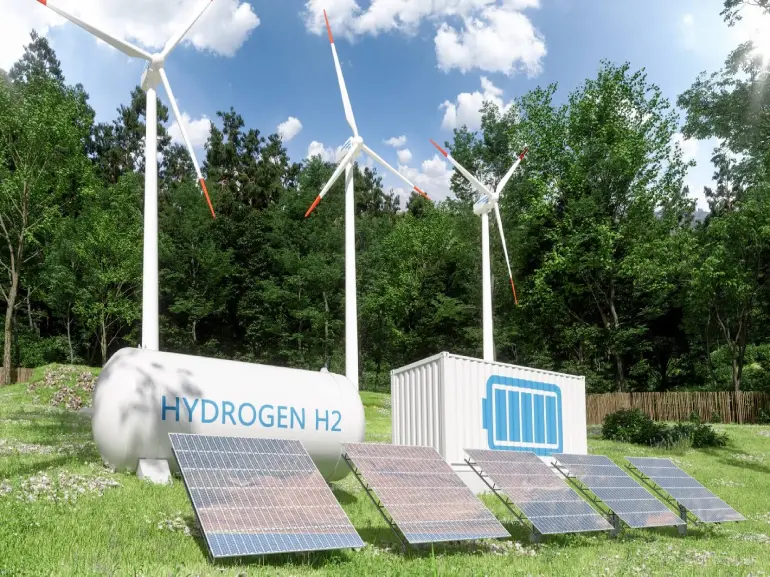
As AI adoption accelerates, many operators are also exploring renewable energy options and sustainability initiatives. Integrating solar, wind, and energy storage technologies can reduce environmental impact while improving long-term energy resilience. Balancing performance, reliability, and sustainability has become a central challenge for modern data center developers.
Advanced Cooling Strategies for Peak Performance
Heat management is a defining challenge in AI infrastructure. GPU clusters generate significantly more heat than traditional server environments, making advanced cooling technologies essential for maintaining performance and reliability. Efficient thermal management directly influences operating costs and equipment lifespan.
Modern facilities employ a variety of cooling methods, including liquid cooling, immersion cooling, and advanced air-handling systems. Each approach offers unique advantages depending on workload characteristics and facility design requirements. Operators must carefully evaluate these options during the planning process.
Routine maintenance remains equally important after deployment. Tasks such as cooling tower cleaning help ensure optimal thermal performance while reducing the risk of equipment degradation. Proactive maintenance programs contribute to higher efficiency, improved reliability, and lower operating expenses over time.
Managing Physical Infrastructure and Equipment
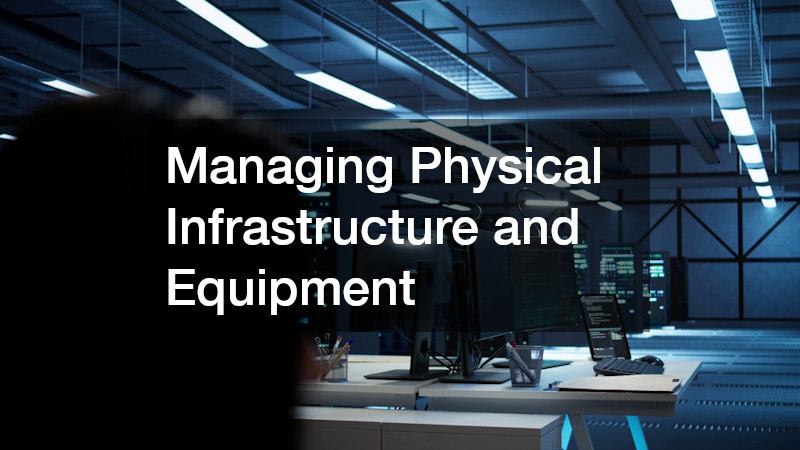
The internal organization of a data center significantly affects operational efficiency. Equipment must be installed in ways that maximize accessibility, airflow, and future scalability. Proper infrastructure planning enables technicians to perform maintenance activities without disrupting critical workloads.
Modern facilities rely heavily on specialized data cabinets designed to support high-density computing environments. These cabinets accommodate advanced cooling solutions, cable management systems, and power distribution components while maintaining efficient use of floor space. Selecting the appropriate cabinet configuration can improve both performance and operational flexibility.
Infrastructure management also includes asset tracking, capacity planning, and lifecycle management. As AI hardware evolves rapidly, organizations must continually evaluate equipment utilization and replacement strategies. Effective management practices help maximize return on investment while supporting long-term growth objectives.
Security and Risk Mitigation
AI data centers often store valuable intellectual property, proprietary models, and sensitive operational data. Protecting these assets requires a comprehensive security strategy that addresses both physical and digital threats. Security planning begins during facility design and continues throughout the operational lifecycle.
Physical safeguards include perimeter controls, surveillance systems, biometric access controls, and dedicated security personnel. Operators also implement extensive fire security measures to protect critical infrastructure from potential hazards. These systems are designed to detect and respond to threats quickly while minimizing damage and downtime.
Cybersecurity remains equally important in modern facilities. Network segmentation, access controls, continuous monitoring, and incident response procedures help protect critical systems from malicious activity. Combining physical and digital security measures creates a more resilient operational environment.
Data Lifecycle Management and Secure Disposal
As data center operations expand, organizations must address the full lifecycle of information assets. This includes not only storage and processing but also the secure disposal of obsolete hardware and data-bearing devices. Effective lifecycle management reduces risk while supporting regulatory compliance.
Many organizations partner with hard drive shredding services to ensure that retired storage devices are destroyed securely. Physical destruction methods help prevent unauthorized access to sensitive information that may remain on decommissioned equipment. Proper documentation and chain-of-custody procedures further strengthen compliance efforts.
In addition to destroying storage hardware, many facilities establish broader shredding policies for confidential paper records, equipment labels, operational documents, and other sensitive materials. These procedures help eliminate potential security vulnerabilities while supporting comprehensive information governance programs. By implementing strict disposal standards across multiple asset types, organizations can better protect proprietary data and maintain stakeholder trust.
Secure disposal practices extend beyond storage media. Organizations often develop comprehensive policies governing equipment retirement, recycling, and electronic waste management. These programs support both security objectives and environmental sustainability initiatives.
Coordinating Large-Scale Development Efforts

Building an AI data center involves extensive collaboration among multiple stakeholders. Architects, engineers, contractors, utility providers, government agencies, and technology teams must work together throughout the project lifecycle. Effective coordination helps maintain schedules, control costs, and achieve performance objectives.
Large development projects frequently span multiple years and involve significant capital investments. Detailed project management processes help teams track milestones, manage risks, and address emerging challenges. Clear communication among stakeholders remains essential for maintaining momentum and preventing misunderstandings.
Organizations often engage specialized consulting service providers to support planning, engineering, procurement, and operational readiness efforts. These experts bring valuable experience that can help avoid common pitfalls and accelerate project execution. Their contributions often improve both project outcomes and long-term facility performance.
Scaling for the Future of Artificial Intelligence
The pace of AI innovation continues to accelerate, creating ongoing pressure for infrastructure expansion. Data center operators must design facilities capable of adapting to changing hardware requirements, evolving cooling technologies, and increasing computational demands. Scalability is no longer an optional feature; it is a fundamental requirement.
Modular design approaches have become increasingly popular because they allow organizations to expand capacity incrementally. Rather than constructing oversized facilities upfront, operators can add infrastructure as demand grows. This approach improves capital efficiency while preserving flexibility for future technological developments.
Successful scaling also requires continuous evaluation of operational processes and infrastructure performance. Organizations that embrace innovation while maintaining strong engineering discipline are better positioned to meet future demands. Long-term planning enables facilities to remain competitive in an increasingly AI-driven world.
Sustainability and Environmental Responsibility
As AI infrastructure expands globally, sustainability has become a major consideration for data center developers and operators. The immense power demands of advanced computing environments can place significant pressure on local utility grids and natural resources. Organizations are increasingly seeking ways to reduce environmental impact while maintaining the performance levels required for AI workloads.
Energy efficiency initiatives now influence nearly every aspect of facility design. Engineers evaluate building materials, power distribution systems, cooling technologies, and operational procedures to identify opportunities for reducing waste. Many operators pursue certifications and environmental benchmarks that demonstrate their commitment to responsible resource management while improving operational efficiency.
Water conservation has also emerged as a critical issue, particularly in regions facing resource constraints. Advanced cooling technologies are helping facilities reduce water consumption without compromising performance. Combined with renewable energy investments and sustainable construction practices, these efforts enable AI data centers to support technological innovation while addressing growing environmental concerns.
Long-term sustainability strategies often create financial benefits alongside environmental advantages. Lower energy consumption, reduced maintenance requirements, and improved equipment efficiency can significantly decrease operating expenses over time. By integrating sustainability into every phase of planning and operations, organizations can build AI data centers that remain both economically and environmentally viable for decades to come.
Workforce Development and Operational Readiness
Even the most advanced AI data center depends on skilled professionals to keep operations running smoothly. While automation and remote monitoring have reduced some manual tasks, facilities still require engineers, technicians, security personnel, and operations managers who understand the complexities of high-performance computing environments. Recruiting and retaining qualified talent has become an increasingly important aspect of data center strategy.
Operational readiness begins well before the facility goes live. Teams conduct extensive testing of power systems, cooling infrastructure, networking equipment, and emergency response procedures to ensure every component performs as expected. These commissioning activities help identify potential issues before production workloads are introduced, reducing the likelihood of costly disruptions after launch.
Training programs play a critical role in maintaining long-term reliability. Staff members must stay current on evolving technologies, safety standards, cybersecurity practices, and maintenance procedures. Continuous education enables operators to respond effectively to changing infrastructure requirements and emerging industry challenges.
Organizations that invest in workforce development often experience stronger operational outcomes and greater resilience. Skilled employees can identify inefficiencies, implement process improvements, and respond quickly to unexpected events. As AI infrastructure becomes increasingly sophisticated, the human expertise supporting these facilities will remain one of the most valuable assets in achieving sustainable growth and operational excellence.
Modern AI data centers represent some of the most sophisticated facilities ever constructed. Their success depends on careful planning, advanced engineering, reliable infrastructure, and effective operational management. From site selection and power delivery to cooling systems and security protocols, every component contributes to overall performance and reliability.
As artificial intelligence continues transforming industries worldwide, the importance of scalable computing infrastructure will only increase. Organizations that invest in thoughtful design, proactive maintenance, and future-ready architectures can better support evolving technological requirements. By combining strategic planning with operational excellence, developers can create data centers capable of powering the next generation of AI innovation.